


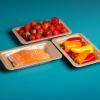

In the seafood industry, where maintaining the cold chain is essential and logistics directly impacts product quality, sustainable packaging means tackling one of the most complex challenges across the entire supply chain. It is precisely in this area that JesolPesca Cattel SpA’s seafood processing facility dedicated to the Horeca channel, has launched a project aimed at progressively replacing polystyrene packaging used for transporting fresh fish.
The initiative marks a significant shift for a sector that has relied on EPS for decades due to its insulating properties. The challenge, therefore, was not simply to identify an alternative material, but to develop a logistics system capable of ensuring the same standards in product preservation, thermal stability and food safety.
How the new packaging was developed
The project, launched during 2025, involved several company departments - from logistics and procurement to marketing and customer service - through a comprehensive review of operational processes. After an initial scouting phase focused on existing market solutions, JesolPesca carried out laboratory tests, transport simulations and technical monitoring using data loggers to verify cold-chain performance under different operating conditions.
“The challenge was not simply replacing polystyrene, but developing a solution that is sustainable, reliable and compatible with the real operational constraints of such a delicate product”- explained Nada Canuto, Logistics Director at Cattel.
The result is a new proprietary high-strength cardboard packaging solution designed to provide greater structural stability and improve transport management. Alongside the container, the company also introduced dry ice, selected to reduce humidity and condensation compared to traditional ice. This is a particularly important aspect, considering that excess water inside seafood packaging often creates issues both for product preservation and logistics handling.
According to the company, the tests delivered positive results: 100% of the packaging arrived intact at destination, while customers reported an improved perception of both the packaging quality and the transported product.
The initiative also carries significant cultural value, demonstrating that sustainability in food packaging cannot be limited to simply replacing one material with another, but instead requires an integrated review of processes, training and organization. Indeed, the project included operational inspections, comparative tastings and food safety training activities involving company staff directly.


