



New sustainability targets: beyond packaging, net-zero, gender equity and sustainable supply chains
Henkel is strengthening its sustainability strategy with new 2030 targets that place packaging at the center of the transition toward a circular economy model.
The company, which is committed to reaching net-zero by 2045, has set clear targets for its packaging: by 2030, 100% of consumer product packaging must be designed to be recyclable, compared to 88% achieved today. In parallel, Henkel intends to increase the use of recycled plastic to at least 35%, up from the current 28%. These targets are part of a broader sustainability strategy developed through a holistic approach, integrating climate action, equity, and sustainable supply chains.
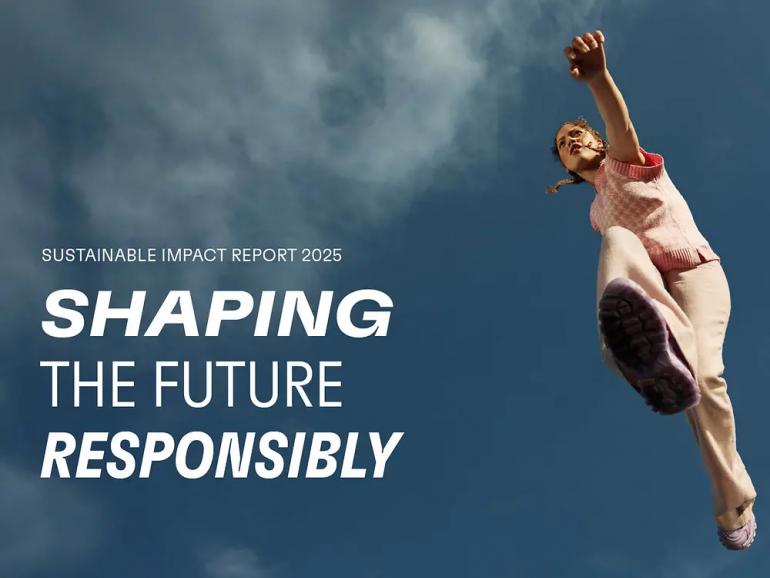
For 150 years, Henkel has demonstrated that responsible practices and strong business performance go hand in hand. In today’s challenging environment, it is more important than ever to take a clear and consistent stance in shaping a sustainable future - says Carsten Knobel, CEO of Henkel - In line with our growth agenda, we are now taking the next step with ambitious yet tangible sustainability targets.
To support this path, Henkel also highlights the role of its Adhesive Technologies business unit, which also contributes to the development of recyclable packaging through specialized adhesive solutions. The technologies are tested in the “Packaging Recyclabs” centers located in the customer centers in Düsseldorf and Shanghai. Together, these initiatives confirm the company’s focus on eco-design and materials innovation as levers to make packaging systems increasingly circular across the entire value chain.
Henkel’s progress is confirmed by internationally recognized sustainability ratings. In the 2025 CDP assessment, Henkel received an “A” rating in the climate category for the first time. The company also improved its performance in the latest EcoVadis rating and was once again awarded Gold.


