





Plastic, aluminum and bioplastics ready to ensure recycling and sustainability as the European packaging regulation comes into effect
From August 12, single-serve coffee capsules will be officially considered packaging and included in the separate collection, following the entry into force of the new European Packaging and Packaging Waste Regulation (PPWR). By 2030, even complex products such as single-serve coffee capsules will need to be fully recyclable across the EU.
“We are already working with the sector’s supply chains and all stakeholders to support this transition,” says Simona Fontana, CEO of Conai.
Plastic: According to Giovanni Cassuti of Corepla, this represents “a significant step” in improving the management and recycling of capsules, with dedicated processes designed to maximize the recovery of this type of packaging.
Aluminum: Cial has been collecting aluminum single-serve coffee capsules for over 15 years. Specialized plants separate the aluminum from the coffee, sending the aluminum to recycling and the coffee to composting. In some provinces of Lombardy, capsules are already included in domestic multi-material collection. Together with other packaging, they are sent to a sorting facility where lightweight mixed materials (plastic, aluminum, composite materials, steel) are separated, and small aluminum components such as caps, blisters, lids, and wrappers are recovered through undersieve processing. This model is expected to be expanded nationwide.
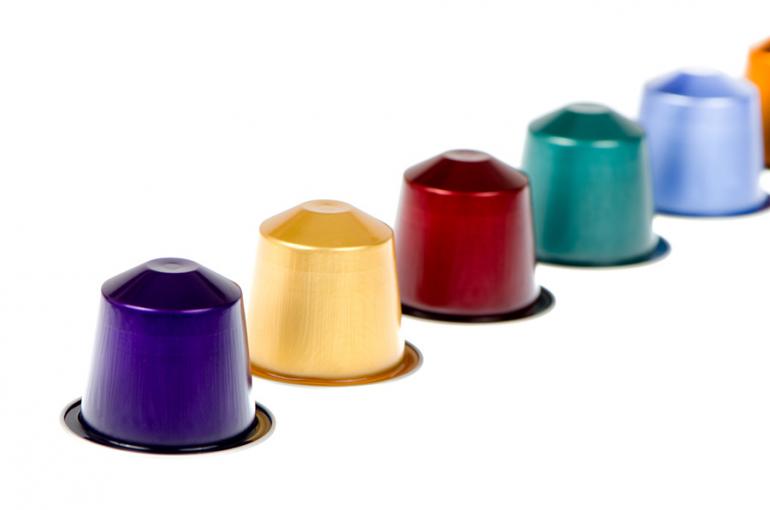
Bioplastics: Approximately one fifth of single-serve coffee capsules on supermarket shelves are already made from bioplastics. Thanks to the Biorepack consortium, it is possible to recover the coffee inside, treating the capsules together with organic waste.
Challenges: Some constraints of the PPWR make it urgent to define the list of products that can be produced in bioplastics, such as packaging for fresh, unprocessed fruit and vegetables under 1.5 kg, and single-use restaurant packaging. At the moment, this limits the inclusion of single-serve coffee capsules and food cling film. Discussions between industry consortia and government ministries are ongoing to find practical solutions by August.


